Why Product? The Answer I've Been Building Toward Since I Was 8
Product management is famously about asking “why.” It is a bit ironic, then, that it took me years to honestly answer why I am in product.
A few weeks ago I came across the Zone of Genius framework. Four zones:
- Zone of Genius: what you are great at and what gives you energy.
- Zone of Excellence: great at it, but it drains you.
- Zone of Curiosity: not great yet, but it energizes you.
- Zone of Incompetence: bad at it, and it costs you energy.
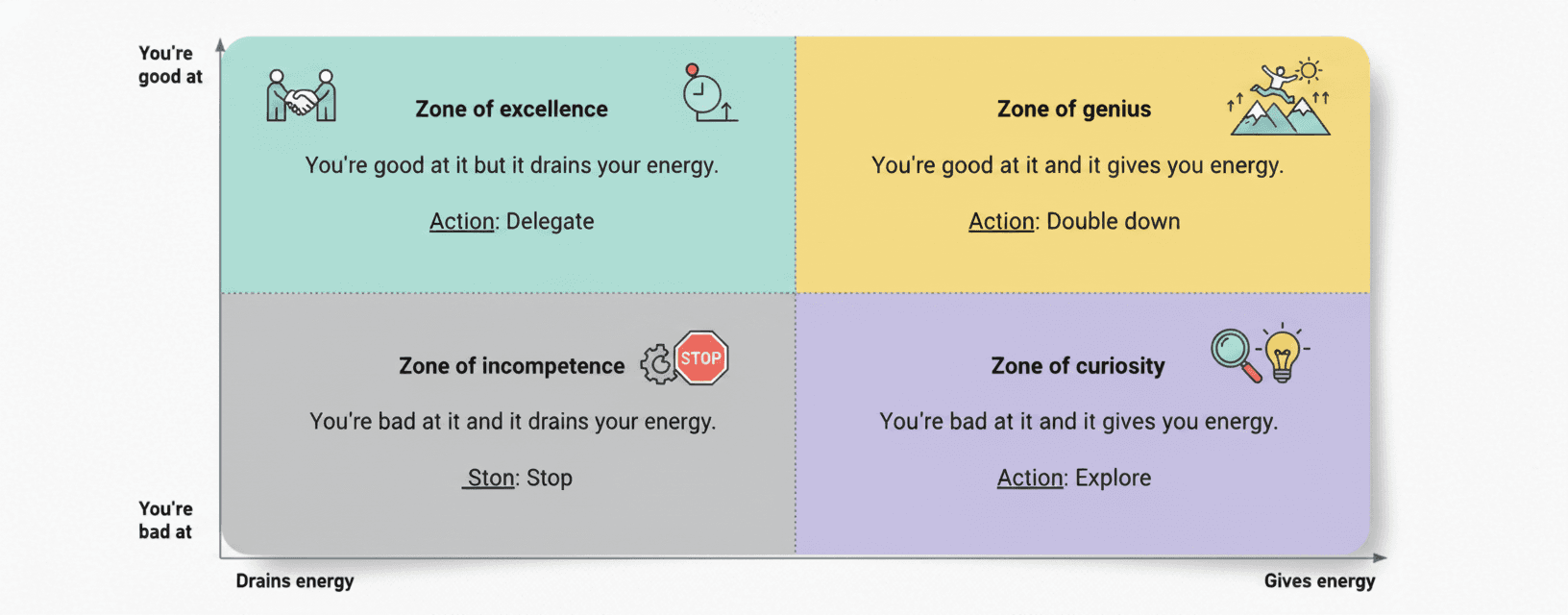
The framework's point is simple: skill alone is not the signal. Energy is the second axis. A lot of people spend their careers in Zone of Excellence, competent and slowly burning out, mistaking “I am good at this” for “this is where I belong.”
When I mapped my own work against these four zones, I landed in Genius. But what surprised me was how clearly I could trace it back.
The 4AM Education
My father ran a building materials business. Cement, sand, steel, the unsexy infrastructure that makes construction possible. I was tagging along to job sites at 4AM before I understood what a job site was.
I was full of questions. I remember asking him once why he always tried to make sure the trucks came back with a full load, even from states away. He told me an empty truck bed was wasted capacity, wasted fuel, wasted money. Every return trip was an opportunity.
I remember asking him why he bought tires in bulk. He explained that buying in volume meant better unit prices and fewer emergency purchases when something broke down at the wrong time. You paid less and you never got caught unprepared. That was my first lesson in unit economics, and I did not know that is what it was called until years later.
I remember watching him check expenses against receipts, never approving handwritten invoices or unknown vendors. There was a rigor to it. A standard. You did not let a number into the books without verifying it.
I did not know what financial controls were then. I just knew my father did not take things at face value.
The CRT Monitor in the Corner
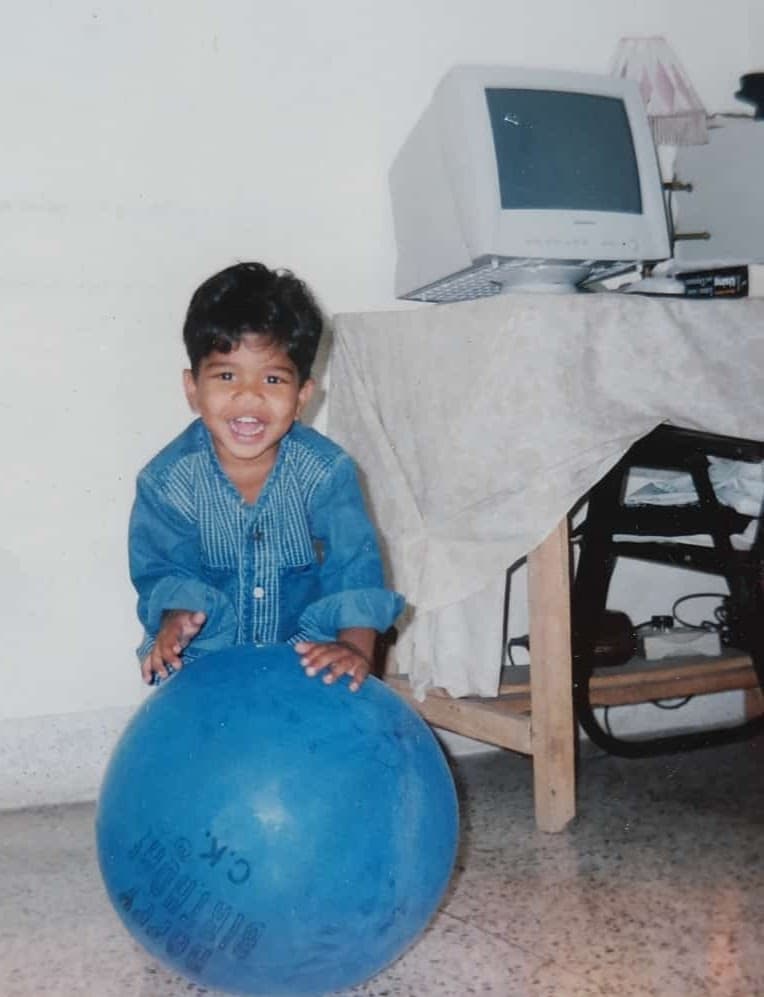
That is me. And that is the CRT monitor in the corner of my home.
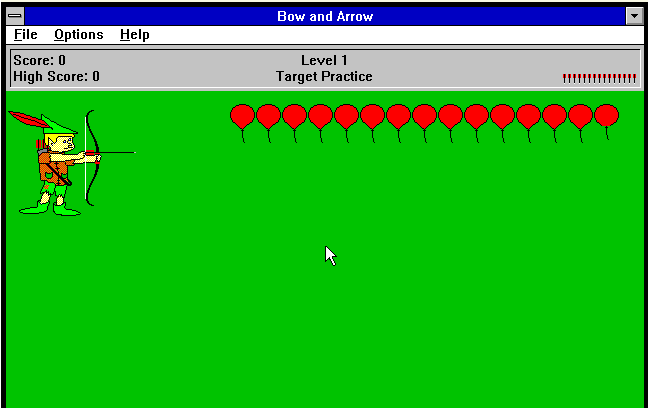
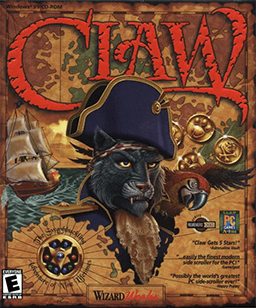
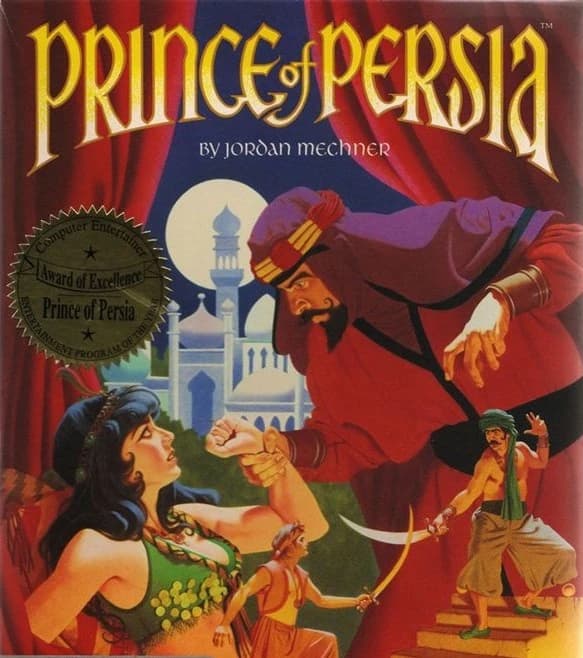
The balloon shooting game. Claw. Prince of Persia. These games existed because that machine existed. That machine existed because my father needed it. And somewhere in that chain, without any grand intention, I developed a love for technology. Not because I was taking things apart to understand how they worked. Because an archer was shooting balloons on a screen and I could not stop playing.
That is not the origin story most people tell about their passion for technology. It is mine.
2012
Somewhere around 2012 and 2013, my father's business took a hit. I was old enough to understand what was happening but young enough that nobody sat me down and explained it. I understood it from watching. The subtle lifestyle changes you notice before anyone names them. Some decisions had not worked out, and it was not just the business that absorbed the consequences. It was us. It was the workers he had to let go. I did not have the word “layoff” then. I have it now.
But he recovered. And watching that full arc: the decision, the cost, the people affected, and then the climb back, taught me something that no classroom or job could have.
Bad decisions do not just show up in financial reports. They show up in people's lives. And recoveries are possible, but they cost more than they should have.
For years I told myself I loved product because of the intersection of business and technology. That was true, but it was incomplete.
The Zone of Genius Answer
I am in product because I am genuinely good at it: the discovery, the frameworks, the cross-functional collaboration (I am an extrovert, yes, you guessed that). But I am also in it because it gives me energy in a way that traces directly back to that period.
Product management is the discipline of making sure a business has the right information to make better decisions. That is not abstract to me. I have seen what the alternative looks like.
The true “why” was never just the business, and it was never just the technology. It was witnessing firsthand what happens to real lives when a business lacks the right data at the critical moment, and deciding, quietly, to become the person who makes sure it never happens again.
That is why I am in product.